
Articl
Legumes: A Rich Source of Nutrition and Health
Legumes, which include various edible seeds such as lentils, chickpeas, peas, and beans, are considered one of the most important food sources in many cultures and societies. These food items are widely used in various diets due to their high nutritional properties and health benefits. Legumes are recognized as a rich source of plant-based proteins. They are particularly significant for individuals who, for various reasons, are seeking protein alternatives, such as those following vegetarian or vegan diets. The proteins found in legumes are generally of high quality and can help meet the body s daily needs. In addition to protein, legumes contain a substantial amount of fiber. Fiber, as an essential nutrient, aids in improving digestive health and can be effective in controlling blood sugar levels and reducing the risk of heart diseases. Regular consumption of legumes can also assist in weight management, as the fiber in them increases the feeling of fullness and prevents overeating. Legumes are also an excellent source of vitamins and minerals. B vitamins, especially folate, are abundant in legumes and are essential for the health of the nervous system and the production of blood cells. Additionally, legumes contain important minerals such as iron, magnesium, and potassium, which are vital for the proper functioning of the body. Another significant benefit of legumes is their positive impact on heart health. Regular consumption of legumes can help lower levels of LDL cholesterol (bad cholesterol), thereby reducing the risk of heart diseases. Furthermore, legumes, due to their antioxidants and anti-inflammatory compounds, can contribute to overall health improvement. Legumes can easily be incorporated into daily diets and can be used in various dishes and salads. From soups and stews to salads and desserts, legumes are recognized as a versatile food ingredient. This diversity in consumption makes legumes one of the main components of food tables. In conclusion, legumes are not only an important food source but also an effective factor in improving overall health and preventing diseases. Given their numerous properties and health benefits, it is recommended that legumes be regularly included in the diet to take advantage of their countless benefits.
Grains: Nutritional Importance and Their Role in Health
Grains, which include edible seeds such as wheat, rice, barley, corn, and oats, are recognized as one of the primary food sources in many cultures and societies. These food items are utilized in various diets due to their high nutritional properties and health benefits. Grains are primarily known as a major source of carbohydrates. Carbohydrates are the main source of energy for the body and are especially important for individuals who engage in a lot of physical activity. Whole grains, which include grains with their outer layers, are rich in fiber and release energy gradually, helping to prevent blood sugar fluctuations. In addition to carbohydrates, grains contain significant amounts of fiber. Fiber aids in improving digestive health and can be effective in weight management and reducing the risk of heart diseases. Regular consumption of whole grains can help lower the risk of type 2 diabetes and heart diseases. Grains are also a good source of vitamins and minerals. B vitamins, particularly thiamine and niacin, are found in grains and are essential for the health of the nervous system and energy metabolism. Additionally, grains contain important minerals such as iron, magnesium, and zinc, which are vital for the proper functioning of the body. Another significant benefit of grains is their positive impact on heart health. Regular consumption of whole grains can help lower levels of LDL cholesterol (bad cholesterol) and reduce the risk of heart diseases. Furthermore, grains, due to their antioxidants and anti-inflammatory compounds, can contribute to overall health improvement. Grains can easily be incorporated into daily diets and can be used in various dishes and meals. From bread and pasta to rice and breakfast cereals, grains are recognized as a versatile food ingredient. This diversity in consumption makes grains one of the main components of food tables. In conclusion, grains are not only an important food source but also an effective factor in improving overall health and preventing diseases. Given their numerous properties and health benefits, it is recommended that grains be regularly included in the diet to take advantage of their countless benefits.
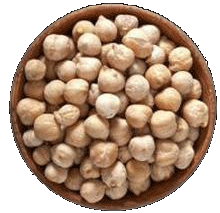
Legumes: A Rich Source of Nutrition and Health
Legumes, which include various edible seeds such as lentils, chickpeas, peas, and beans, are considered one of the most important food sources in many cultures and societies. These food items are widely used in various diets due to their high nutritional properties and health benefits. Legumes are recognized as a rich source of plant-based proteins. They are particularly significant for individuals who, for various reasons, are seeking protein alternatives, such as those following vegetarian or vegan diets. The proteins found in legumes are generally of high quality and can help meet the body s daily needs. In addition to protein, legumes contain a substantial amount of fiber. Fiber, as an essential nutrient, aids in improving digestive health and can be effective in controlling blood sugar levels and reducing the risk of heart diseases.
Grains: Nutritional Importance and Their Role in Health
Grains, which include edible seeds such as wheat, rice, barley, corn, and oats, are recognized as one of the primary food sources in many cultures and societies. These food items are utilized in various diets due to their high nutritional properties and health benefits. Grains are primarily known as a major source of carbohydrates. Carbohydrates are the main source of energy for the body and are especially important for individuals who engage in a lot of physical activity. Whole grains, which include grains with their outer layers, are rich in fiber and release energy gradually, helping to prevent blood sugar fluctuations. In addition to carbohydrates, grains contain significant amounts of fiber.
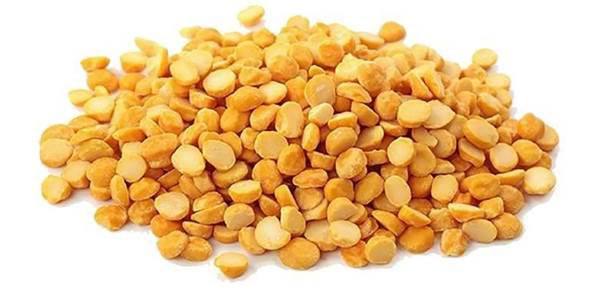
Legumes: A Rich Source of Nutrition and Health
Legumes, which include various edible seeds such as lentils, chickpeas, peas, and beans, are considered one of the most important food sources in many cultures and societies. These food items are widely used in various diets due to their high nutritional properties and health benefits. Legumes are recognized as a rich source of plant-based proteins. They are particularly significant for individuals who, for various reasons, are seeking protein alternatives, such as those following vegetarian or vegan diets. The proteins found in legumes are generally of high quality and can help meet the body s daily needs. In addition to protein, legumes contain a substantial amount of fiber. Fiber, as an essential nutrient, aids in improving digestive health and can be effective in controlling blood sugar levels and reducing the risk of heart diseases. Regular consumption of legumes can also assist in weight management, as the fiber in them increases the feeling of fullness and prevents overeating. Legumes are also an excellent source of vitamins and minerals. B vitamins, especially folate, are abundant in legumes and are essential for the health of the nervous system and the production of blood cells.
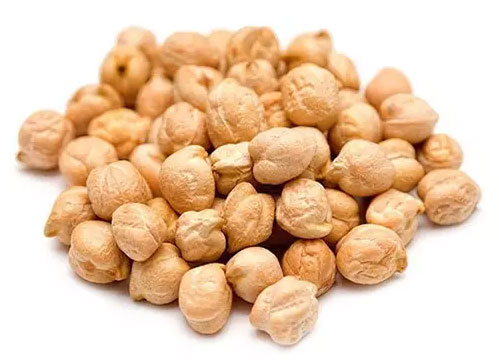
Familiarity with different types of legumes and grains.
Legumes: A Rich Source of Nutrition and Health
Legumes, which include various edible seeds such as lentils, chickpeas, peas, and beans, are considered one of the most important food sources in many cultures and societies. These food items are widely used in various diets due to their high nutritional properties and health benefits. Legumes are recognized as a rich source of plant-based proteins. They are particularly significant for individuals who, for various reasons, are seeking protein alternatives, such as those following vegetarian or vegan diets. The proteins found in legumes are generally of high quality and can help meet the body s daily needs. In addition to protein, legumes contain a substantial amount of fiber. Fiber, as an essential nutrient, aids in improving digestive health and can be effective in controlling blood sugar levels and reducing the risk of heart diseases. Regular consumption of legumes can also assist in weight management, as the fiber in them increases the feeling of fullness and prevents overeating. Legumes are also an excellent source of vitamins and minerals. B vitamins, especially folate, are abundant in legumes and are essential for the health of the nervous system and the production of blood cells.
Grains: Nutritional Importance and Their Role in Health
Grains, which include edible seeds such as wheat, rice, barley, corn, and oats, are recognized as one of the primary food sources in many cultures and societies. These food items are utilized in various diets due to their high nutritional properties and health benefits. Grains are primarily known as a major source of carbohydrates. Carbohydrates are the main source of energy for the body and are especially important for individuals who engage in a lot of physical activity. Whole grains, which include grains with their outer layers, are rich in fiber and release energy gradually, helping to prevent blood sugar fluctuations. In addition to carbohydrates, grains contain significant amounts of fiber.
Legumes: A Rich Source of Nutrition and Health
Legumes, which include various edible seeds such as lentils, chickpeas, peas, and beans, are considered one of the most important food sources in many cultures and societies. These food items are widely used in various diets due to their high nutritional properties and health benefits. Legumes are recognized as a rich source of plant-based proteins. They are particularly significant for individuals who, for various reasons, are seeking protein alternatives, such as those following vegetarian or vegan diets. The proteins found in legumes are generally of high quality and can help meet the body s daily needs. In addition to protein, legumes contain a substantial amount of fiber. Fiber, as an essential nutrient, aids in improving digestive health and can be effective in controlling blood sugar levels and reducing the risk of heart diseases.